Inert aggregate handling differs sharply from standard municipal solid waste disposal because density escalates payload numbers rapidly. A single cubic yard of solid concrete weighs approximately 4,050 pounds, meaning…
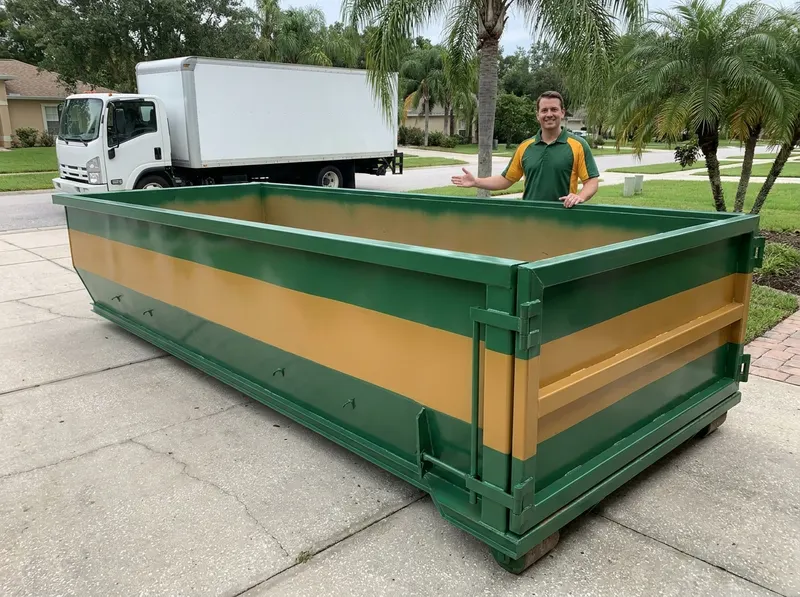
Inert aggregate handling differs sharply from standard municipal solid waste disposal because density escalates payload numbers rapidly. A single cubic yard of solid concrete weighs approximately 4,050 pounds, meaning standard residential mixed-trash roll-offs will exceed Florida Department of Transportation axle weight limits long before the container volume fills. Dedicated aggregate bins eliminate third-party broker overage traps by establishing clear fill limits: inert materials must remain clean of regular trash, dimensional lumber, roofing felt, and general plastics to prevent entire loads from being rejected at Hillsborough County recycling crushing facilities. Placing an order requires evaluating access lines. Standard delivery trucks carrying loaded inert roll-offs require at least 60 feet of straight-line clearance and 14 feet of vertical overhead space, clear of live oak branches along residential streets in Hyde Park or Palma Ceia.
Selecting the right operational setup comes down to material density versus container sidewall height. A 10-yard dumpster accommodates dense slab tear-outs, patio removals, and masonry footings because lower sidewalls allow wheelbarrow access and prevent mechanical overfilling past roadway limits. A 20-yard dumpster accommodates larger site-clearing projects involving broken curbing mixed with fill soil; however, loading requires spreading the mass evenly across the steel deck to prevent chassis imbalance during hydraulic hoist loading. If the project involves mixed site debris, a standard municipal waste container is necessary, as crushing plants levy hefty contaminate fees if trash co-mingles with clean masonry. The trade-off centers on volume versus density: aggregate containers carry immense weight within a smaller footprint, preventing driveway stress when paired with systematic timber runner placement.
Site maneuvering across Tampa's diverse urban topography requires strict logistics planning. Precision placement prevents surface cracking on historic brick driveways in Ybor City, paver paths in Davis Islands, and tight suburban curb aprons in Westchase or Carrollwood. Roll-off drivers execute systematic driveway-safe board placement, setting heavy structural wood runners beneath the container's steel rear rollers before lowering the frame. This step isolates hydraulic pressure from decorative surfaces and asphalt softened by Florida afternoon heat. Projects near tight alleyways in Seminole Heights and Tampa Heights require checking property line setbacks, as containers placed on public roads, right-of-ways, or designated street parking areas require local municipal permitting before drop-off.
Every job gets a firm, written price after a free on-site visit.
Tell us about your concrete & inert aggregate dumpsters job in tampa and we'll send a clear, written quote, usually the same day.
 Birch Hill Dumpster Rental